Vital Plumbing Services: Why You Should Get a Professional Today
In any home, plumbing issues can occur without warning, leading to significant disruptions. Problems such as blocked drains or leaky pipes often demand more than do-it-yourself fixes. Hiring a professional plumber not only resolves immediate concerns but also lays the groundwork for ongoing upkeep. Knowing the essential services available can enable homeowners to make informed decisions. The inquiry persists: what are the critical plumbing needs that every homeowner should be aware of?
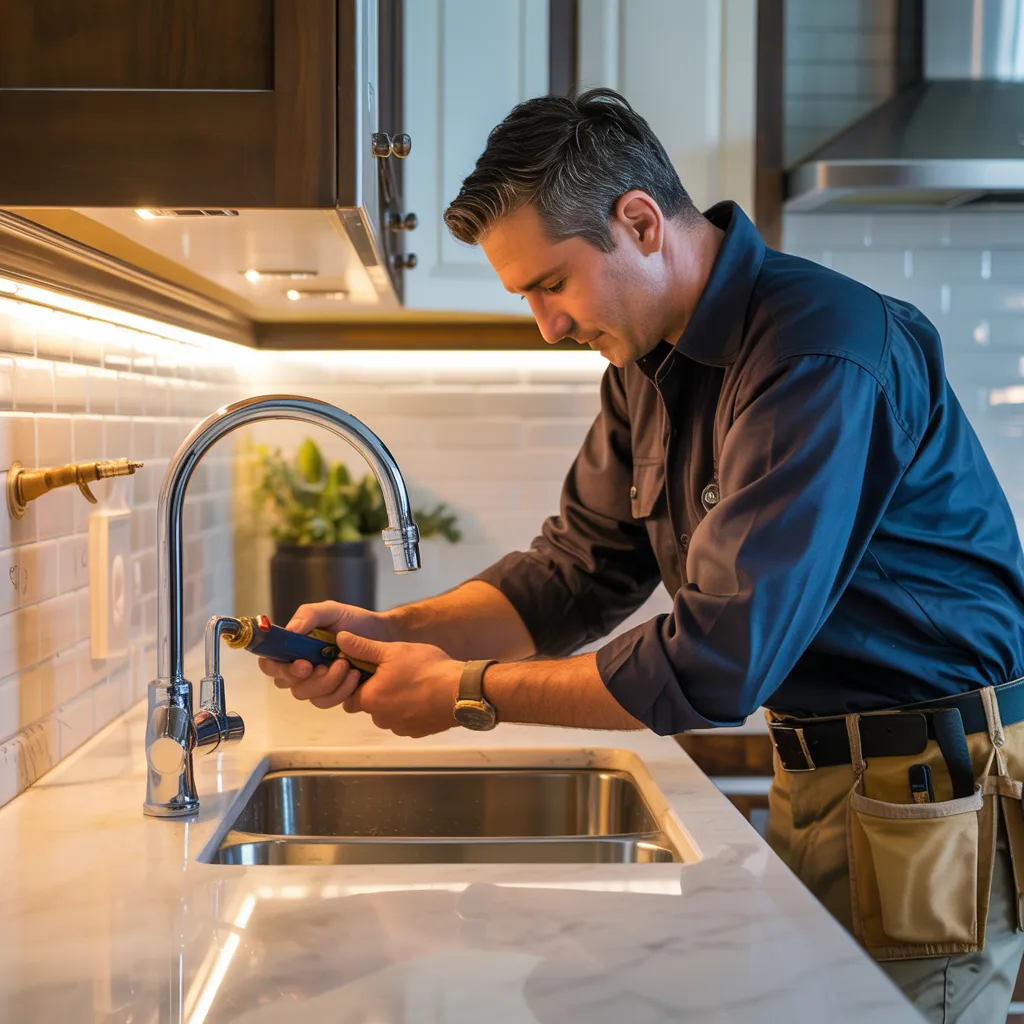
Top Plumbing Problems and How to Fix Them
When property owners encounter plumbing issues, they often face common problems that require prompt attention. Clogged drains are one of the most frequent concerns, often caused by the buildup of grease, hair, and debris.
Homeowners might shortly ease this by using a plunger or drain auger, but persistent clogs typically necessitate professional expertise.
Leaky faucets represent another widespread issue, causing water wastage and higher utility bills. A simple substitution of washers or O-rings can frequently resolve this issue.
Furthermore, leaky toilets can deplete considerable water, typically due to a defective flapper or fill valve. Homeowners may seek to repair this by tweaking or upgrading parts on their own.
In conclusion, burst pipes, frequently resulting from cold temperatures, call for immediate professional intervention to avert extensive water damage.
Recognizing these prevalent plumbing issues enables homeowners to secure quick remedies and maintain their home's plumbing system effectively.
The Significance of Routine Upkeep
Preventative care is necessary for maintaining the endurance and effectiveness of a home's drainage system. Scheduled assessments can uncover potential issues before they develop, saving homeowners from costly repairs.
Simple jobs, such as detecting leaks, cleaning faucets, and inspecting water heaters, can greatly enhance system performance. Additionally, periodic maintenance helps to maintain water quality, as particle accumulation in pipes can trigger contamination.
Property owners ought to also consider scheduling professional drain cleaning to prevent blockages. By committing to routine maintenance, homeowners not only guarantee their plumbing operates smoothly but also increase the total worth of their property.
Taking a proactive approach toward pipe care in the end creates a anxiety-free living environment.
Emergency Plumbing Assistance
Encountering a plumbing disaster can be distressing for any householder, making it important to recognize essential resources that can provide immediate relief.
Emergency plumbing services include rapid response teams on call 24/7, capable of address issues like ruptured pipes, major leaks, or toilet overflow. These experts can quickly assess the circumstances and apply quick repairs to prevent further damage.
In addition, offerings frequently cover drain cleaning, water heater repairs, and sewer backups. Homeowners should also grasp the value of turning off the main water supply during emergency situations.
Ultimately, having entry to emergency plumbing solutions not only minimizes damage but also ensures peace of mind during stressful times. Preparedness in these situations can conserve both time and money.
How to Handle Common Plumbing Concerns
Plumbing issues can disrupt daily life, but many common issues have straightforward fixes. A clogged pipe can often be fixed with a plunging device or a combination of baking soda and vinegar. This approach helps dissolve buildup without harsh chemicals.
Leaky faucets, another frequent complaint, may just call for a washer replacement; halting the water supply and unscrewing the faucet allows for easy viewing of the components.
To fix toilets that run continuously, modifying the float mechanism or swapping out the flapper can restore normal function. For reduced water flow, inspecting aerators or showerheads for blockages is an effective first step.
In conclusion, property owners can often address minor pipe leaks with epoxy putty or tape as a temporary solution. These straightforward approaches empower people the ability to manage routine plumbing issues effectively, promoting a sense of self-sufficiency. However, stubborn problems may require more thorough investigation.
When should you reach out to a expert pipe specialist?
How can someone determine when to seek the expertise of a professional plumber? Identifying certain indicators can direct homeowners in making this decision.
Persistent drips that fail to respond to temporary fixes indicate a more severe underlying issue. Clogged drains that resist routine cleaning methods may need professional intervention to avoid significant harm.
In addition, if a householder finds weak water pressure or discolored water, these may signal plumbing defects that should not be overlooked.
Complex problems such as sewer line backups or significant water destruction necessitate urgent professional assistance to reduce risks.
Property owners should also review the age and condition of their plumbing systems; aging or worn piping often result in costly repairs if not taken care of promptly.
In the end, if begin here you're uncertain, reaching out to a professional plumber can conserve time, money, and additional problems.
How Preventive Upkeep Saves You Costs and Stress
Investing in preventative maintenance can markedly minimize the likelihood of pricey fixes and unexpected crises. Consistent inspections and service of drainage systems can identify minor issues before they mushroom into major problems. For example, small leaks, corroded pipes, or clogged drains can be addressed promptly, sparing homeowners from substantial repair charges later.
Furthermore, effective preventative measures boost the overall performance of plumbing systems. By confirming that pipes and fixtures are in excellent condition, homeowners can sidestep the additional costs connected to elevated water costs resulting from failures or substandard performance.
Moreover, preventative servicing supports property value. A properly kept plumbing system is pleasing to potential buyers and can prevent future disputes or negotiations related to repairs.
Ultimately, investing in preventative maintenance not only protects finances but also offers peace of mind, making it a smart decision for property owners looking to prevent hassle.
Why Routine Plumbing Inspections Matter
Regular plumbing check-ups play a significant role in preserving a home's infrastructure. These evaluations allow experts to identify potential problems before they escalate into costly repairs. By addressing problems such as water seepage, blockages, or aging pipes early, homeowners can prevent extensive harm to their property and ensure a safe living environment.
Moreover, routine check-ups boost the overall functionality of plumbing systems. They can identify inefficiencies that cause increased water bills, helping homeowners to make necessary adjustments.
Regular upkeep also extends the lifespan of plumbing fixtures and appliances, encouraging long-term savings.
Furthermore, a well-serviced plumbing system raises home value, making it more desirable to potential buyers.
Ultimately, dedicating yourself to regular plumbing inspections is necessary for securing a home's functionality and integrity, supplying comfort to homeowners apprehensive of unforeseen plumbing emergencies.
Beginning Evaluation Process
When a plumbing maintenance call is placed, the technician comes equipped to examine the situation methodically. The process begins with a detailed assessment of the premises, often starting with a talk about the reported issues.
The technician then inspects visible plumbing components, including pipes, fixtures, and appliances, looking for signs of wear or damage. They may also employ diagnostic tools to detect hidden issues that are not immediately apparent.
During this opening assessment, the technician compiles observations and photographs to preserve evidence of findings. This extensive assessment helps in forming an accurate diagnosis and lays the groundwork for any necessary repairs.
In the end, this organized approach ensures that no aspect of the plumbing system is overlooked, encouraging effective solutions.
Service Completion Overview
Once identifying and addressing common plumbing issues, the technician will proceed with the service completion process.
This phase includes a thorough inspection of the executed work to confirm caliber and observance with safety standards. The technician will explain the repair work and any preventive strategies homeowners can take to elude later complications.
An in-depth invoice will be presented, describing the services completed and associated costs. Payment options will be discussed, permitting clients to choose a method that suits them best.
In conclusion, the professional will organize the job site, making it presentable and confirming that all tools and materials are disposed of.
Happy clients will receive a follow-up call or email to verify everything is operating properly after the service.
Popular Questions That Are Often Inquired
What's the Best Way to Find the Right Plumber for My Situation?
To select the appropriate plumbing specialist, one should explore qualifications, scan client testimonials, compare quotes, and guarantee legitimate licensing and insurance. Direct referrals can also present worthwhile insights into reliability and quality of service.
What Expertise Ought to a Certified Plumber Demonstrate?
A competent plumber should possess relevant certifications, extensive training, and expertise in plumbing systems. They should also be licensed and insured, showing their compliance with industry regulations and ensuring quality service for various plumbing needs.
Are Emergency Plumbing Services Available 24/7?
Emergency plumbing services are absolutely accessible 24/7. Trained professionals stress quick response to critical issues, confirming that patrons secure quick help whenever plumbing disasters happen, no matter what the hour or day.
What Steps Can I Take to Stop Pipe Problems in Older Homes?
Preventing plumbing problems in older homes requires regular inspections, routine maintenance, and timely repairs. Modernizing outdated fixtures and maintaining proper drainage can also markedly reduce the risk of future plumbing difficulties.
Which plumbing tools ought to I have at Home?
A property owner should acquire critical plumbing equipment, such as a plunger, pipe wrench, adjustable wrench, basin wrench, measuring tape, and a collection of screwdrivers. These tools provide a fundamental base for addressing small plumbing problems successfully.